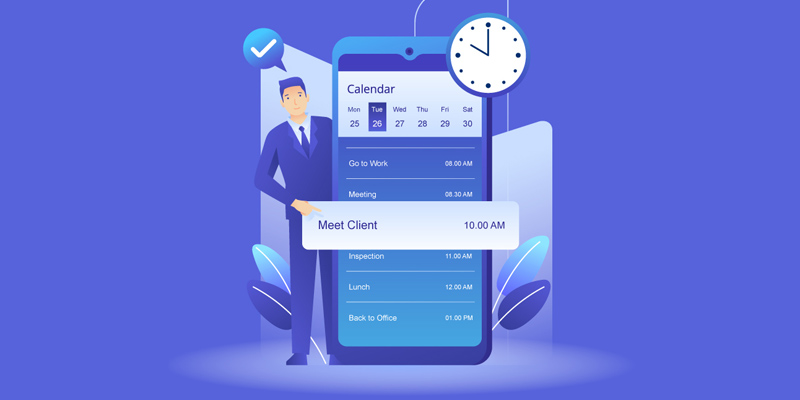
The Role of AI in Modern Timesheet Management Systems
Artificial Intelligence (AI) is redefining how businesses manage their workforce, optimize operations, and improve employee productivity. Traditional timesheet processes often rely on manual entries, spreadsheets, and repetitive administrative tasks that consume valuable time and increase the risk of errors. As organizations embrace digital transformation, AI-powered solutions are changing the way employee hours are recorded, analyzed, and utilized. AI timesheet management combines intelligent automation with data-driven insights to simplify time tracking, reduce administrative overhead, and provide actionable workforce analytics. Instead of merely recording working hours, AI-enabled systems help organizations understand productivity trends, forecast workloads, and make informed business decisions.
For businesses managing hybrid, remote, or distributed teams, adopting AI-driven timesheet software has become a strategic investment rather than just an operational improvement.
AI time tracking tools differ from ordinary software. It can:
Time tracking automation through notifications and integrations.
Validation of time tracked entries based on company rules.
Estimation of the time taken to complete tasks using historical data.
Detection of anomalies in billable time tracking entries.
Analysis of task/project performance.
In essence, time tracking software with AI allows companies to use time data to gain insights. rovements across your workforce.
How AI Timesheet Management Is Transforming Workforce Operations
Modern AI timesheet management solutions do much more than replace paper-based or spreadsheet-driven timesheets. They automate repetitive tasks while providing managers with real-time visibility into employee activities and project performance.
With AI capabilities, organizations can:
- Automatically capture work hours across projects
- Reduce manual data entry and approval delays
- Detect inconsistencies in submitted timesheets
- Generate accurate productivity reports
- Improve workforce planning through predictive insights
These features help employees focus on meaningful work while managers spend less time on administrative processes.
Intelligent Automation Simplifies Daily Time Tracking
One of the biggest advantages of AI is intelligent automation, which eliminates repetitive manual tasks associated with traditional time tracking.
Instead of reminding employees to submit weekly timesheets manually, AI-powered systems can:
- Send automated reminders
- Pre-fill recurring work entries
- Recommend project allocations based on previous work
- Validate missing or inconsistent records
- Route approvals automatically
By reducing manual intervention, organizations improve operational efficiency while minimizing human error.
AI Timesheet Management Improves Employee Productivity
Employee productivity depends on efficient workflows, clear priorities, and minimal administrative burden. AI timesheet management helps organizations achieve these goals by streamlining everyday processes.
Better Work Visibility
Employees gain a clear understanding of how their time is allocated across projects and tasks, while managers receive real-time dashboards showing project progress and workload distribution.
Faster Administrative Processes
Automated approvals, smart notifications, and digital workflows reduce delays associated with manual timesheet reviews, allowing employees to focus on value-adding activities.
Improved Decision-Making
Managers can identify resource constraints, project bottlenecks, and productivity trends using AI-generated reports instead of relying on assumptions.
Workforce Analytics Drives Better Business Decisions
Accurate data is essential for successful workforce management. Workforce analytics transforms raw timesheet information into meaningful business insights.
Organizations can analyze:
- Employee utilization
- Project profitability
- Team capacity
- Department performance
- Billable versus non-billable hours
These insights support better resource allocation, budgeting, and strategic planning.
Historical data also enables managers to forecast staffing requirements and optimize future project schedules.
AI Productivity Tools Support Smarter Workforce Management
Today’s organizations increasingly rely on AI productivity tools to improve collaboration, planning, and operational efficiency.
When integrated with timesheet software, AI-powered features can:
- Predict project completion timelines
- Recommend resource allocation
- Identify productivity trends
- Suggest workload balancing
- Detect unusual working patterns
These recommendations help managers make proactive decisions rather than reacting to issues after they occur.
Benefits of AI Timesheet Management for Hybrid and Remote Teams
Managing remote employees requires greater visibility into project progress without increasing administrative oversight.
Cloud-based AI timesheet management platforms allow employees to record work from anywhere while giving managers centralized access to performance dashboards.
Benefits include:
- Secure remote access
- Real-time reporting
- Consistent time tracking
- Automated approval workflows
- Better collaboration across distributed teams
This flexibility enables organizations to maintain productivity regardless of where employees work.
Key Features to Look for in AI-Powered Timesheet Software
Selecting the right solution involves evaluating features that support long-term business growth.
Essential capabilities include:
- Automated time capture
- AI-assisted project categorization
- Smart approval workflows
- Predictive reporting
- Mobile accessibility
- Dashboard analytics
- Payroll integration
- Leave and attendance management
- Custom reporting
- Secure cloud deployment
These features improve operational efficiency while supporting better compliance and decision-making.
Future Trends in AI Timesheet Management
Artificial Intelligence continues to evolve, making workforce management increasingly intelligent and predictive.
Future innovations may include:
- Voice-enabled time entry
- Predictive scheduling
- AI-generated workforce recommendations
- Automated compliance monitoring
- Personalized productivity insights
- Advanced forecasting models
Organizations adopting AI today will be better positioned to adapt to future workplace demands and changing business requirements.
Conclusion
Businesses no longer need to rely on manual timesheets and repetitive administrative processes to manage employee work hours. AI timesheet management combines intelligent automation, workforce analytics, and AI productivity tools to deliver greater accuracy, stronger operational visibility, and improved employee productivity.
By adopting AI-powered timesheet software, organizations can streamline workflows, optimize workforce planning, and make data-driven decisions that support long-term growth. As workplace expectations continue to evolve, AI-enabled solutions will become an essential part of modern business operations.
Ready to modernize your workforce with AI-powered time tracking?
Contact Synkriya to discover intelligent timesheet management solutions that improve productivity, simplify operations, and support smarter business decisions.
Frequently Asked Questions
1. What is AI timesheet management?
AI timesheet management uses artificial intelligence to automate time tracking, improve reporting accuracy, reduce manual work, and provide actionable workforce insights.
2. How does intelligent automation improve timesheet management?
Intelligent automation reduces repetitive tasks such as manual entries, approval routing, reminders, and error detection, making time tracking faster and more accurate.
3. What are workforce analytics?
Workforce analytics involves analyzing employee time and productivity data to improve resource allocation, project planning, and operational performance.
4. How do AI productivity tools benefit businesses?
AI productivity tools help organizations forecast workloads, optimize schedules, identify productivity trends, and improve overall operational efficiency.
5. Is AI timesheet management suitable for remote teams?
Yes. AI-powered timesheet systems provide secure cloud access, automated reporting, and centralized dashboards that support hybrid and remote workforce management.